

Trade Metal Futures
Trade crude oil, natural gas, and other energy contracts with transparent commissions and competitive intraday margins.
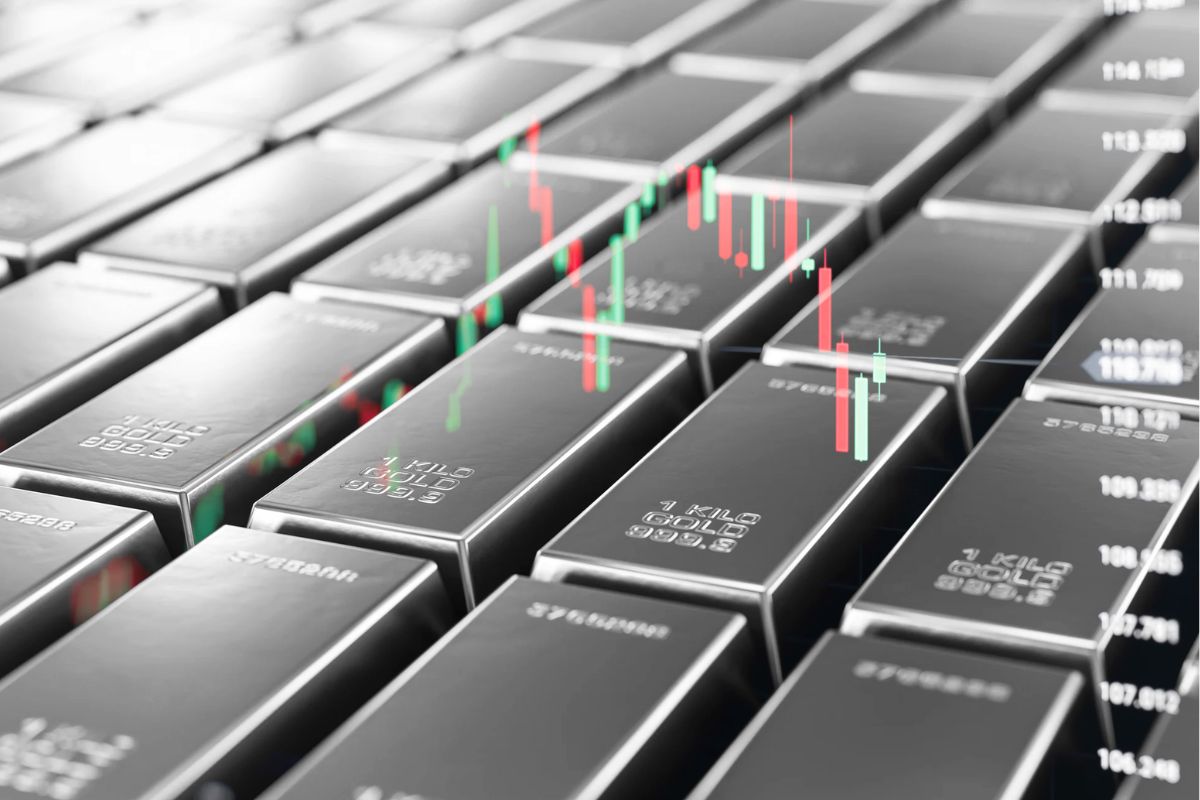
What are Metal Futures?
Metal futures are standardized contracts that let you trade the price of precious and industrial metals like gold, silver, and copper without physically owning or storing the underlying metal.
These contracts trade nearly 24 hours a day and are among the most widely followed commodity markets in the world, responding to macroeconomic conditions, inflation expectations, and global industrial demand.
Most retail traders use metal futures to take directional positions on price movements or to gain commodity exposure as part of a broader trading approach.
Why Trade Metal Futures?
Access deep, globally watched markets
Gold and silver futures are among the most actively traded commodity contracts in the world, offering strong liquidity and nearly 24-hour market access.
Go long or short based on your view
You can take a long or short position based on your market view, without owning or storing physical metal.
React to macro events and economic data
Metal prices respond to inflation data, Federal Reserve policy decisions, U.S. dollar movements, and global economic conditions across nearly 24-hour trading sessions.
Futures trading involves substantial risk and is not suitable for all investors. Leverage can work against you as well as for you.

Trade Popular Metal Futures
GC
Gold Futures
Tracks the spot price of gold, one of the most widely followed assets and a benchmark for global markets.
SI
Silver Futures
Tracks the spot price of silver, driven by both industrial demand and its role as a precious metal alongside gold.
HG
Copper Futures
Tracks the price of copper, widely used as a leading indicator of global industrial activity and economic growth.
MGC
Micro Gold Futures
One-tenth the size of the GC contract, offering the same price exposure with a smaller margins and tick value.
View all available contracts
| Code | Product Name | Contract Size | Min. Tick Size | Trading Hours (EST) |
|---|---|---|---|---|
| /GC | Gold Futures | 100 troy ounces | $0.10 = $10.00 | Sun 6 PM – Fri 5 PM |
| /QO | E-mini Gold Futures | 50 troy ounces | $0.25 = $12.50 | Sun 6 PM – Fri 5 PM |
| /MGC | Micro Gold Futures | 10 troy ounces | $0.10 = $1.00 | Sun 6 PM – Fri 5 PM |
| /SI | Silver Futures | 5,000 troy ounces | $0.005 = $25.00 | Sun 6 PM – Fri 5 PM |
| /QI | E-mini Silver Futures | 2,500 troy ounces | $0.0125 = $31.25 | Sun 6 PM – Fri 5 PM |
| /SIL | Micro Silver Futures | 1,000 troy ounces | $0.005 = $5.00 | Sun 6 PM – Fri 5 PM |
| /HG | Copper Futures | 25,000 pounds | $0.0005 = $12.50 | Sun 6 PM – Fri 5 PM |
| /QC | E-mini Copper Futures | 12,500 pounds | $0.0020 = $25.00 | Sun 6 PM – Fri 5 PM |
| /MHG | Micro Copper Futures | 2,500 pounds | $0.0025 = $6.25 | Sun 6 PM – Fri 5 PM |
| /PL | Platinum Futures | 50 troy ounces | $0.10 = $5.00 | Sun 6 PM – Fri 5 PM |
| /PLM | Micro Platinum Futures | 10 troy ounces | $0.10 = $1.00 | Sun 6 PM – Fri 5 PM |
| /PA | Palladium Futures | 100 troy ounces | $0.50 = $50.00 | Sun 6 PM – Fri 5 PM |
| /PAM | Micro Palladium Futures | 10 troy ounces | $0.50 = $5.00 | Sun 6 PM – Fri 5 PM |
| /ALI | Aluminum Futures | 25 metric tons | $0.01/metric ton = $25.00 | Sun 6 PM – Fri 5 PM |
| /HRC | U.S. Midwest Domestic Hot-Rolled Coil Steel Futures | 20 short tons | $1.00/short ton = $20.00 | Sun 6 PM – Fri 5 PM |
| /BUS | U.S. Midwest Busheling Ferrous Scrap Futures | 20 gross tons | $1.00/gross ton = $20.00 | Sun 6 PM – Fri 5 PM |
| /TIO | Iron Ore 62% Fe CFR China Futures | 500 dry metric tons | $0.10/metric ton = $5.00 | Sun 6 PM – Fri 5 PM |
| /COB | Cobalt Metal Fastmarkets Futures | 1 metric ton | $0.01/pound = $22.05 | Sun 6 PM – Fri 5 PM |
| /LTH | Lithium Hydroxide CIF CJK Fastmarkets Futures | 1,000 Kilograms | $0.01/Kilogram = $10.00 | Sun 6 PM – Fri 5 PM |
| /LTC | Lithium Carbonate CIF CJK Fastmarkets Futures | 1,000 Kilograms | $0.01/Kilogram = $10.00 | Sun 6 PM – Fri 5 PM |
Start Trading Metal Futures
Trade Micro Metal Futures with Lower Costs
At a fraction of the size of the standard contract, Micro metal futures give you access to the same gold, silver, and copper markets with smaller position sizes, lower margin requirements, and more flexibility in how you manage trades.
- Same markets as the standard contracts — gold, silver, and copper
Proportionally smaller tick values for more precise position sizing
A practical way to build experience in metals markets with less capital at risk
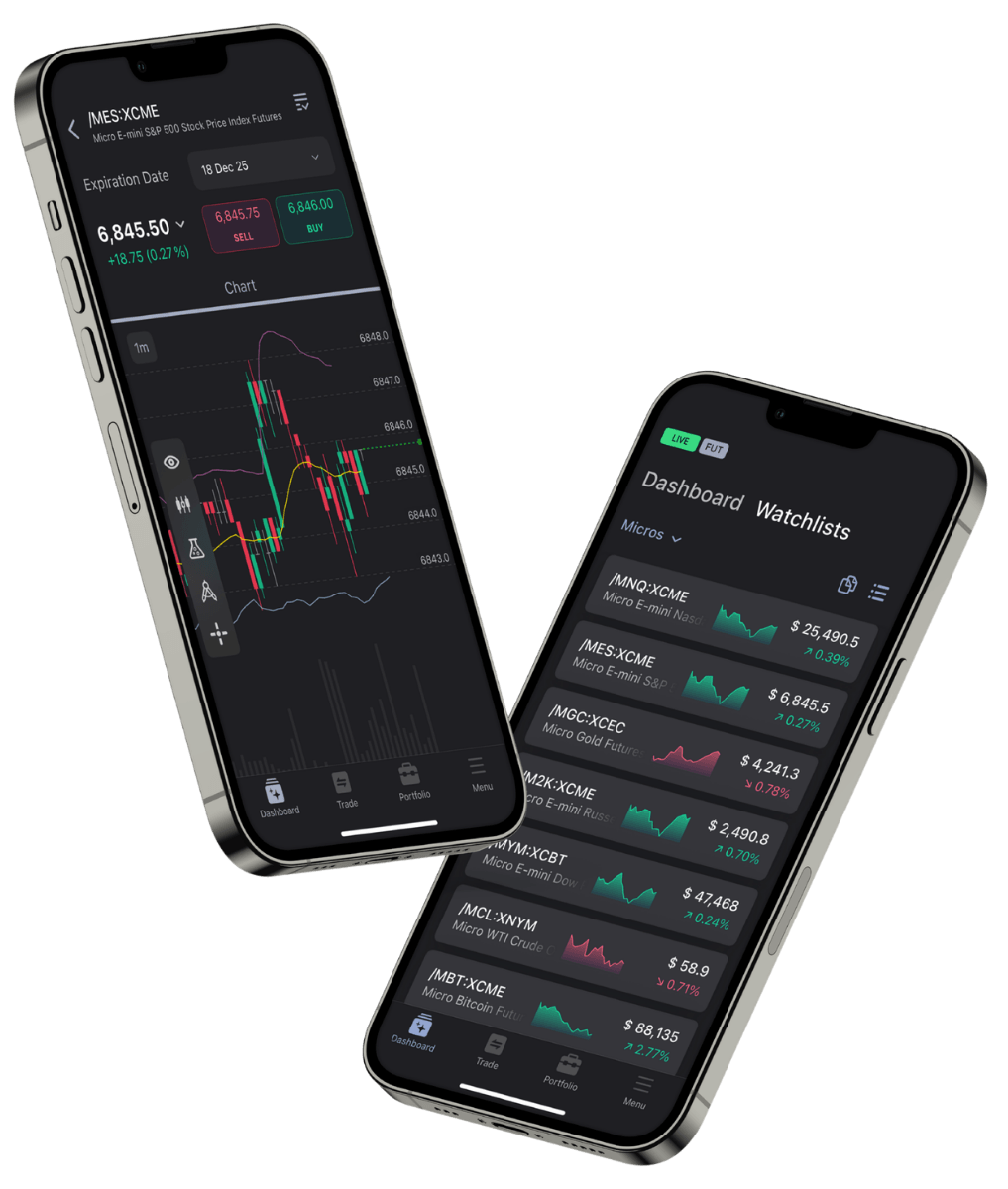
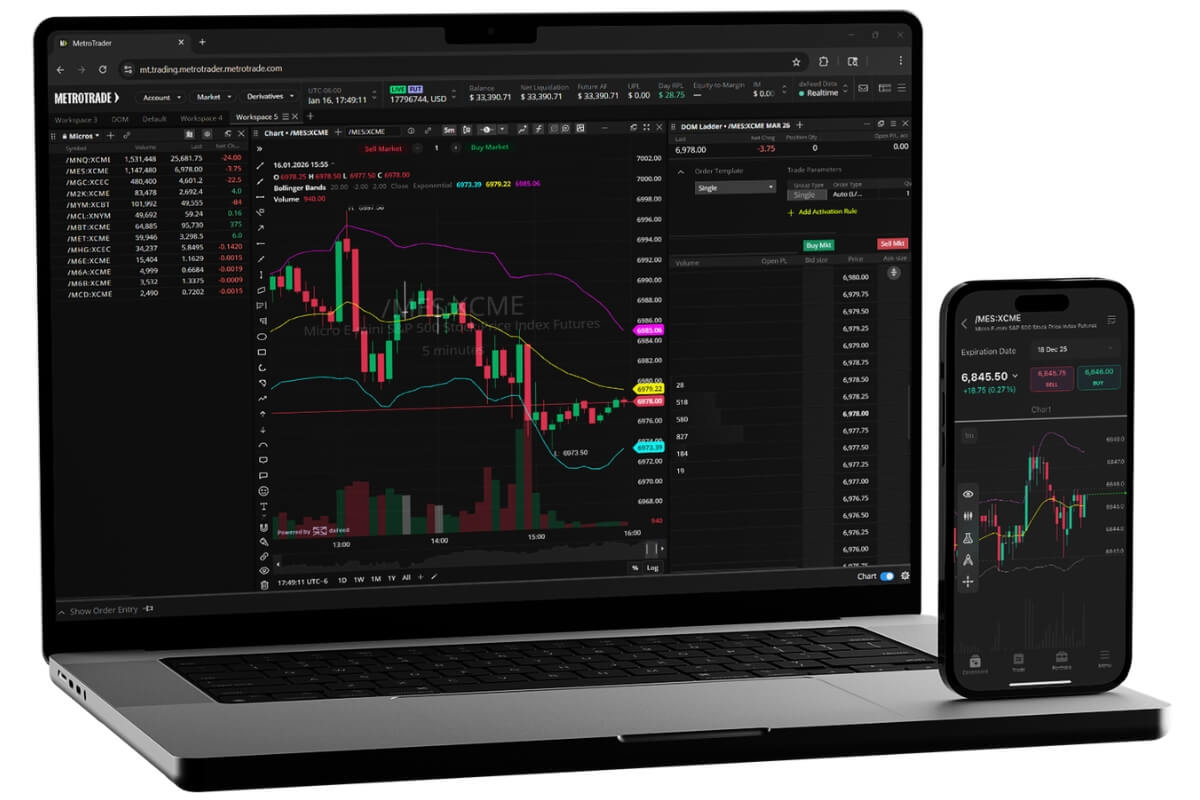
Start Trading Futures with a Low-Cost Broker
Open a MetroTrade account and access futures markets with low commissions, competitive margins, and a platform built for active traders.
Frequently Asked Questions
What are metal futures?
Metal futures are standardized contracts that allow traders to buy or sell a metal commodity, such as gold, silver, or copper, at a set price on a future date. Most retail traders use them to speculate on price direction rather than to take physical delivery of the metal.
What drives the price of metal futures?
Metal prices are influenced by a range of factors including inflation expectations, Federal Reserve interest rate decisions, U.S. dollar strength, global industrial demand, and geopolitical uncertainty. Gold in particular is widely watched as a safe-haven asset during periods of economic or political instability.
When do metal futures trade?
Most CME metal futures trade Sunday through Friday, from 6:00 PM ET to 5:00 PM ET the following day, with a one-hour daily break. Trading activity is typically highest during the U.S. session, particularly around major economic data releases.
What is the difference between GC and MGC futures?
Both contracts track the price of gold. The standard GC contract represents 100 troy ounces with a tick value of $10.00. The Micro Gold (MGC) is one-tenth the size, representing 10 troy ounces with a tick value of $1.00, making it more accessible for traders with smaller accounts.
Do metal futures involve physical delivery?
Standard metal futures contracts like GC and SI do have physical delivery provisions at expiration. However, most retail traders close or roll their positions before the contract expires to avoid delivery obligations. It is important to be aware of expiration dates and first notice days for any metal contract you trade.
How much margin is required to trade metal futures?
Intraday margin requirements for metal contracts vary by contract and are updated periodically. View current requirements on our margins page.
What is the difference between gold and silver futures?
Both are precious metal futures traded on CME Globex, but they have different contract sizes, tick values, and price drivers. Gold tends to be more sensitive to macroeconomic and monetary policy factors, while silver is influenced by both its role as a precious metal and its industrial applications in electronics and manufacturing.