

MetroTrade for Futures Prop Traders
Trade futures without someone else’s rules.
Live futures trading gives you control over your risk plan and your trading schedule without trailing drawdowns, payout rules, or monthly eval costs.

Why Futures Prop Traders Switch to Live Trading
Prop trading can be a useful starting point, but it comes with limits that become more noticeable over time.
Ongoing Fees
Evaluation and reset fees continue month after month, regardless of performance.
Profit Splits
Even profitable trading periods require sharing a portion of gains with the firm.
Trading Rules
Daily loss limits, trailing drawdowns, and time-based restrictions can interfere with valid setups.
Payout Issues
Profits are only accessible after meeting firm-specific requirements and timelines.
Prop Trading vs Live Futures Trading
| Feature | Prop Trading | Live Futures Trading |
| Account access | Requires passing an evaluation | Open a live account directly |
| Ongoing fees | Monthly eval, reset, or platform fees | No prop firm fees |
| Profit sharing | Profits are split with the firm | Trader keeps all profits |
| Risk rules | Firm-enforced loss limits and drawdowns | Trader sets their own risk rules |
| Trading restrictions | Time, strategy, or contract limits may apply | Trade when and how you choose |
| Capital used | Firm capital with conditions | Trader’s own capital |
| Account control | Subject to firm policies | Full account control |
How Much Do You Need to Trade Live?
One reason many prop traders hesitate to switch is the belief that live futures trading requires a large account.
However, micro futures are built to allow traders to start smaller than many expect.
- Intraday margins as low as $80
- Micro futures allow leverage even with a small account
- Commissions stay small at just $0.29/contract
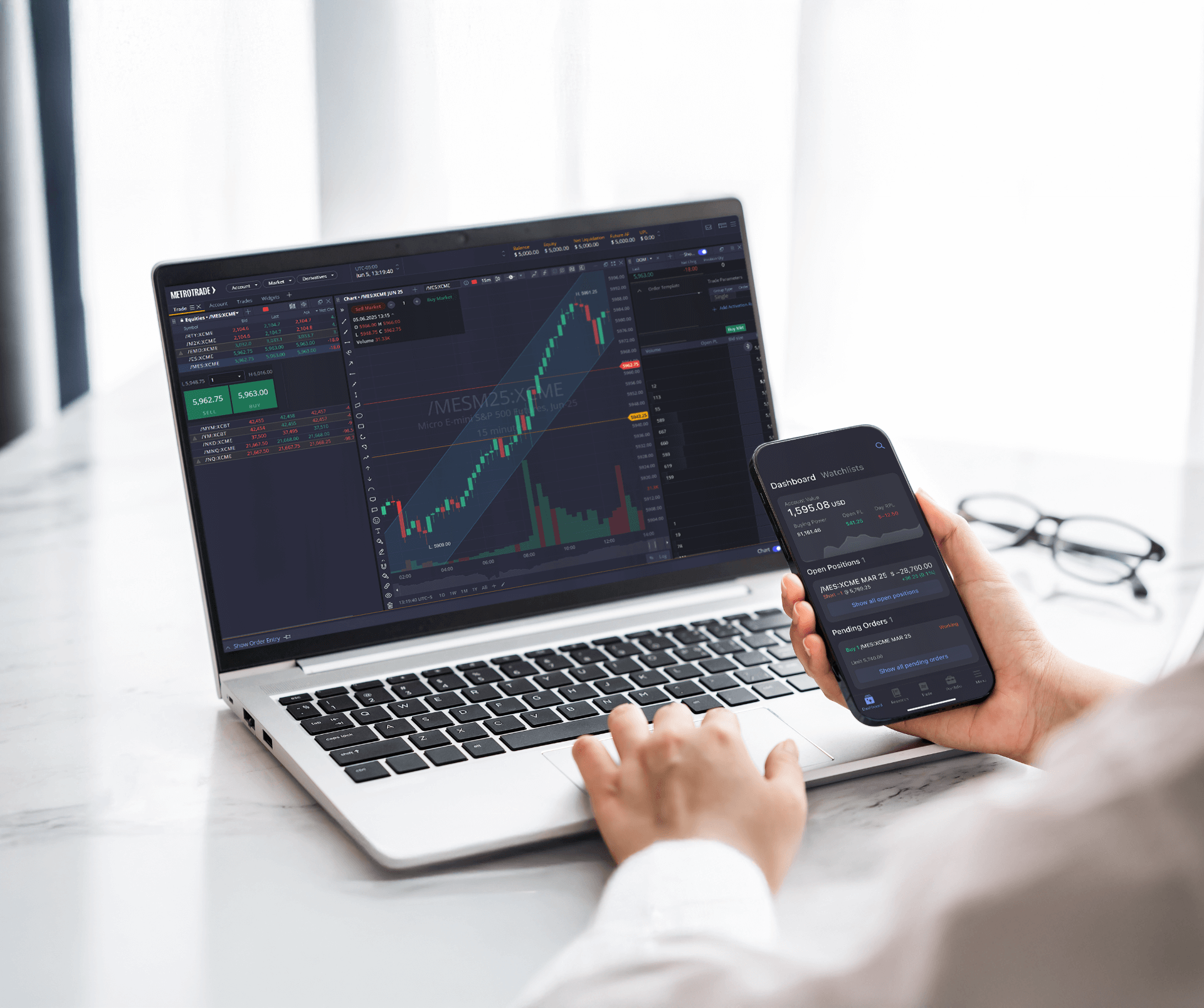
Why Choose MetroTrade?
MetroTrade is built for traders who already understand futures markets and want fewer obstacles between their strategy and execution.
Built for futures trading
MetroTrade focuses on futures, and designed around workflows traders already know.
Clear, low pricing
Costs are straightforward and tied to trading activity, not performance challenges.
Tools traders expect
Real-time charts, order types, and market data designed for active futures traders.
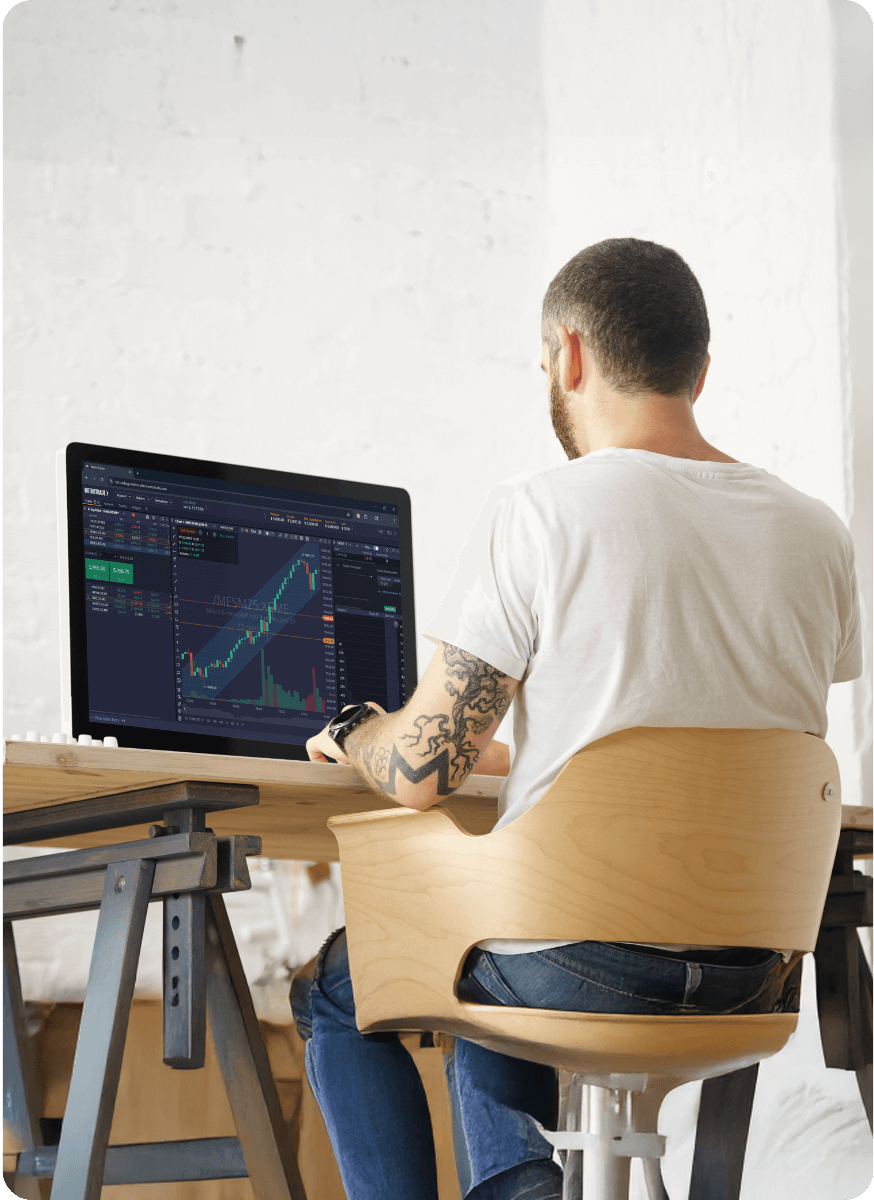
Prop Trading Builds Skill.
Live Trading Removes Limits.
Start trading with a futures broker for prop traders

Frequently Asked Questions
Is live futures trading better than prop trading?
Live futures trading and prop trading serve different purposes. Prop trading can help traders practice discipline under set rules, while live futures trading allows traders to operate their own accounts without evaluations, profit splits, or firm-imposed restrictions. Many experienced traders prefer live trading once they are confident managing risk on their own.
How much money do you need to trade futures live?
The amount needed to trade futures live depends on the contracts traded, position size, and risk tolerance. Many traders start with smaller accounts by trading micro futures contracts and using conservative position sizing. Live trading allows traders to control risk directly instead of meeting prop firm requirements.
Can prop traders switch to live futures trading?
Yes. Many prop traders transition to live futures trading after gaining experience with risk management and execution. The process usually involves starting small, trading familiar setups, and applying the same risk rules used in prop accounts.
Do you need to pass an evaluation to trade futures live?
No. Live futures trading does not require evaluations, challenges, or reset fees. Traders open a live account with a futures broker and trade their own capital while managing risk independently.
Is live futures trading riskier than prop trading?
Live futures trading does not reduce market risk. Futures markets involve substantial risk regardless of account type. The main difference is that live trading removes firm rules and profit splits, placing full responsibility for risk management on the trader.